Buying a home with a septic system is different from buying one connected to municipal sewer. The septic system is a major piece of infrastructure that belongs entirely to you the moment you close — along with any problems it has. A thorough septic inspection before closing is not optional. It's essential.
Why a Septic Inspection Is Different from a General Home Inspection
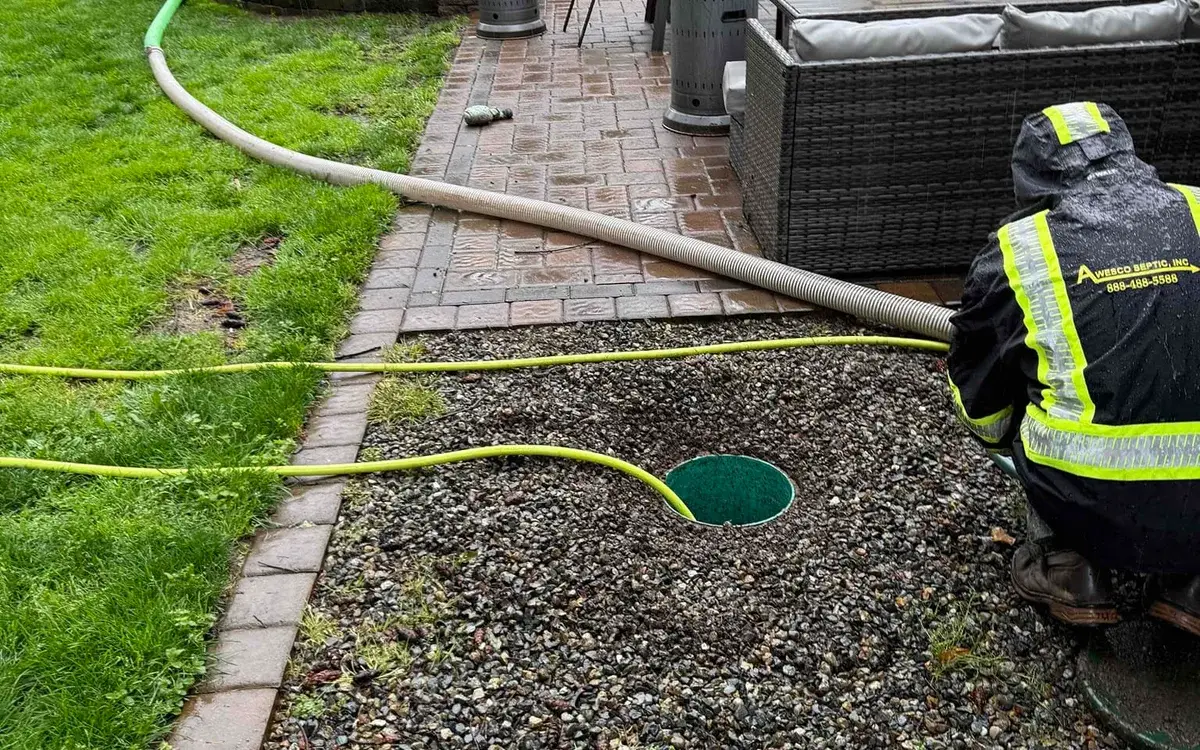
A standard home inspection might note the presence of a septic system, but it won't tell you much about its actual condition. A dedicated septic inspection is performed by someone trained specifically in septic systems — we pump the tank, visually inspect all accessible components, and evaluate how the system is performing. It's the only way to know what you're buying.
What We Check During a Pre-Sale Inspection
Tank condition
We pump the tank and check for cracks, corrosion, root intrusion, and structural integrity. We inspect the inlet and outlet baffles, which prevent scum from flowing to the drain field.
Liquid level
The liquid level at the time of pumping tells us whether the system is processing effluent normally or whether there's a sign of drain field backup.
Drain field function
We look for signs of drain field saturation, surfacing effluent, and the overall condition of the absorption area. A failing drain field is the most expensive septic repair.
Distribution box and risers
We check that the distribution box is intact and distributing flow evenly across drain field lines, and confirm access risers are present and in good condition.
System records
We help verify the as-built drawing matches what's in the ground, and flag any discrepancies in system type, size, or component location.
What the Inspection Report Tells You
After the inspection, you'll get a clear, written report describing the condition of each component and any concerns found. This report is often required by lenders. More importantly, it tells you whether you're inheriting a healthy system, a system with minor deferred maintenance, or a system with serious problems. All of those require a different response at the negotiating table.
Real estate tip: If the inspection reveals a problem, you can often negotiate a price reduction or require the seller to remediate before closing. A failing drain field that would cost $20,000 to replace is a legitimate negotiating point — but only if you know about it before you sign.
Red Flags That Should Give You Pause
Not every issue is a dealbreaker, but these warrant serious attention: signs of an unpermitted system modification, a drain field that's been recently replaced or showing signs of early failure, a tank that hasn't been pumped in 10+ years, or any evidence of sewage surfacing near the absorption area. These aren't necessarily reasons to walk away, but they are reasons to negotiate hard and go in with open eyes.
When to Schedule the Inspection
Schedule the inspection during your inspection contingency window — usually within 10 to 15 days of mutual acceptance. This gives you time to review the results and negotiate if needed before your contingency deadline. Call us as early as possible; pre-purchase inspections book up quickly, especially in spring and summer.